

 Français
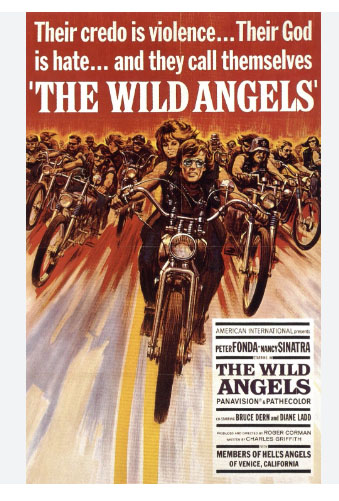
The Wild Angels
Synopsis
Heavenly Blues is the cynical, defiant leader of a renegade California motorcycle club known as the Losers. When police fatally shoot his loyal club member Loser during a botched motorcycle theft, the club stages a chaotic, anarchic funeral that spirals out of control. As rival gangs, hostile townspeople, and law enforcement close in around them, the bikers descend into a nihilistic spiral of violence, drugs, and rebellion. The film captures the raw, counter-cultural birth of the 1960s outlaw biker cinematic genre.
The Making of the Film
Director and exploitation master Roger Corman helmed this watershed counter-culture biker film on a characteristically rapid indie shooting schedule for American International Pictures. Screenwriter Charles Griffith crafted the script to capture the burgeoning, rebellious youth anti-establishment movements of mid-1960s California. The production utilized authentic real motorcycle clubs, including members of the Hells Angels, as technical advisors and extras. The project was built to be a profitable, trend-setting drive-in sensation.
Critical Reception
Critics offered mixed-to-negative reviews upon its 1966 release, condemning the film for its glorification of senseless violence, nihilism, and crude counter-culture rebellion. However, many retrospective critics praised Roger Corman's energetic indie direction, Peter Fonda's iconic brooding persona, and its historical importance as the birth of the outlaw biker movie genre. Some reviewers noted that the narrative structure meandered through psychedelic party scenes, yet acknowledged its raw historical energy. It became a massive box office phenomenon.
Audiences, particularly rebellious youths and drive-in moviegoers, embraced the film with immense enthusiasm, turning it into a massive commercial blockbusters for AIP. Viewers were mesmerized by the roaring engines, leather jackets, rebellious attitude, and the defiant anti-authority ethos. The film captured the exact cultural zeitgeist of the emerging hippie and counter-culture era. It launched a wave of motorcycle exploitation cinema across Hollywood.
While traditional mainstream film academies ignored the exploitation feature, it achieved monumental commercial success and historic cultural legacy. Its premiere at the Venice Film Festival marked a milestone for American independent cinema. The film successfully secured its place as a legendary pop-culture artifact.
Behind-the-Scenes Stories
Director Roger Corman capitalized on newspaper headlines surrounding outlaw motorcycle gangs in California, recognizing a lucrative counter-culture trend waiting for exploitation. He hired actual members of the Hells Angels, including Sonny Barger, to consult on the production and act as extras, lending authentic grit to the biker scenes. The production operated on a tiny budget with relentless turnaround times.
Shooting motorcycle chase sequences across dusty California highways required daring stunt driving and careful traffic coordination on modest indie resources. Managing real, unpredictable motorcycle gang members on set demanded diplomacy and street smarts from the director. Maintaining a raw, documentary-like visual style enhanced the exploitation aesthetic.
During the chaotic funeral and riot sequences, Peter Fonda and the cast performed amidst real biker brawls and smoke bombs, maintaining intense rebellious energy. The iconic funeral speech delivered by Fonda became a legendary counter-culture manifesto. These practical elements defined a cinematic era.
Peter Fonda, Nancy Sinatra, and Bruce Dern led the iconic cast, supported by Diane Ladd. The casting process focused on finding young actors who embodied 1960s rebellion. The resulting ensemble delivered unforgettable counter-culture performances.
Themes Explored
The film explores counter-culture rebellion, youthful alienation, outlaw freedom, anti-establishment rage, and nihilism. It examines how society's outcasts forge tribal loyalty in the face of mainstream rejection. The narrative ultimately champions total personal freedom above all else.
Ending Explained
Following the chaotic funeral riot and police shootout, Heavenly Blues is finally cornered and arrested by authorities on a deserted beach after his motorcycle breaks down. When a curious bystander asks him what his club expects from society, Blues delivers a famous, defiant nihilistic response: "We want to be free... to do what we wanna do." He is led away in handcuffs as the camera freezes on his cynical expression. The ending offers an iconic, rebellious conclusion to the outlaw saga.
Meaning of the Title
The title "The Wild Angels" serves as a brilliant, ironic oxymoron contrasting the brutal, lawless violence of the outlaw bikers with celestial holiness. It highlights the counter-culture mythos of rebellious youths carving out their own dark paradise. The classic title set the template for 1960s biker nomenclature.
Original Soundtrack
Composed by Mike Curb and performed by the psych-rock band The Arrows, the musical score features driving fuzz-guitar riffs, heavy basslines, and moody garage-rock anthems. The psychedelic sound design captures the smoky, rebellious atmosphere of mid-1960s counter-culture parties, delighting music fans.
Latest News
- The film continues to be celebrated by film historians as a foundational milestone in American independent exploitation and counter-culture cinema.
Similar Films
Fans of 1960s biker movies and counter-culture classics will enjoy Easy Rider (1969), The Born Losers (1967), Hells Angels on Wheels (1967), and Psych-Out (1968), all exploring rebellion.